
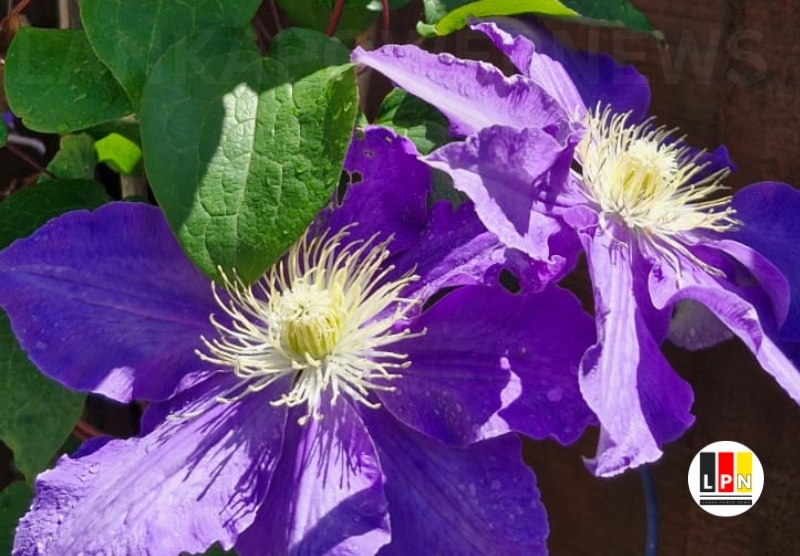
Clematis flowers in New Zealand..!
What if I told you that the stunning, flower-covered vine you might already love actually has a few relatives right here in New Zealand that are absolute treasures? It’s true! We often think of the big, splashy, exotic-looking varieties, but the story of clematis in New Zealand is a lot deeper and more interesting than just an imported garden plant.
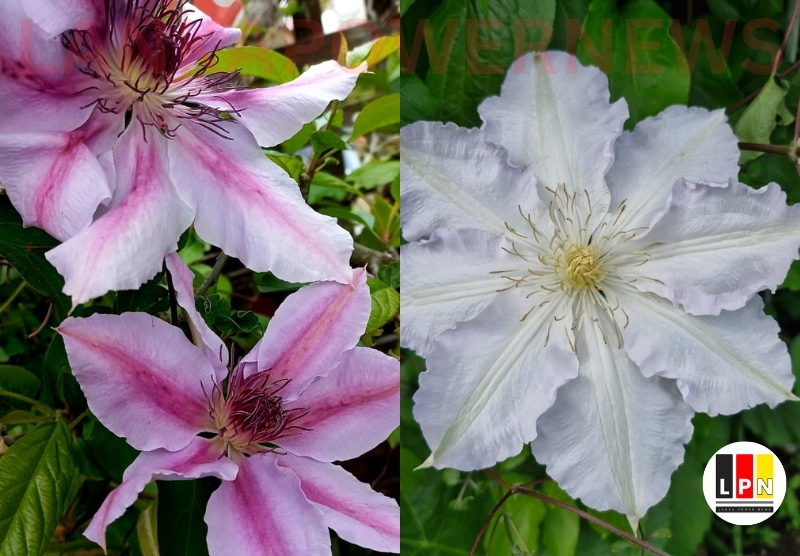
Did You Know New Zealand Has Its Own Clematis Royalty?
It’s like finding out your quiet next-door neighbour is actually a famous rock star.
When you look at our native forests, you’ll find species like Clematis paniculata, often called puawānanga, which translates to “flower of the heavens.” It’s a spectacular sight in spring, covering trees like a white, frothy bridal veil. Seriously, it’s breathtaking.
So, while we often focus on the cultivars imported from overseas, the first thing to realise is that the clematis genus is totally at home on our islands. This makes growing them here feel a bit more natural, don’t you think? They already know the local conditions!
What is Clematis, Anyway? Let’s Break it Down
So, you’ve heard the name clematis, but what exactly is it? It’s not just one type of plant; it’s a massive genus of flowering vines in the buttercup family. Think of it as a huge family tree with hundreds of eccentric cousins.
Some have huge dinner-plate-sized flowers, others have tiny, bell-shaped blooms, and some smell like sweet vanilla. They are mostly known for being spectacular climbers, using twisting leaf stalks to grip onto everything from trellises to tree trunks.
They’re basically the Hollywood movie stars of the gardening world: showy, beautiful, and they love to climb their way to the top.
The incredible thing is their diversity. No matter what size garden you have, or what colour scheme you’re going for, there’s almost certainly a clematis that will fit perfectly. They can turn a drab fence into a riot of colour or add height and drama to a simple pergola.
Why is New Zealand Such a Great Home for Clematis?
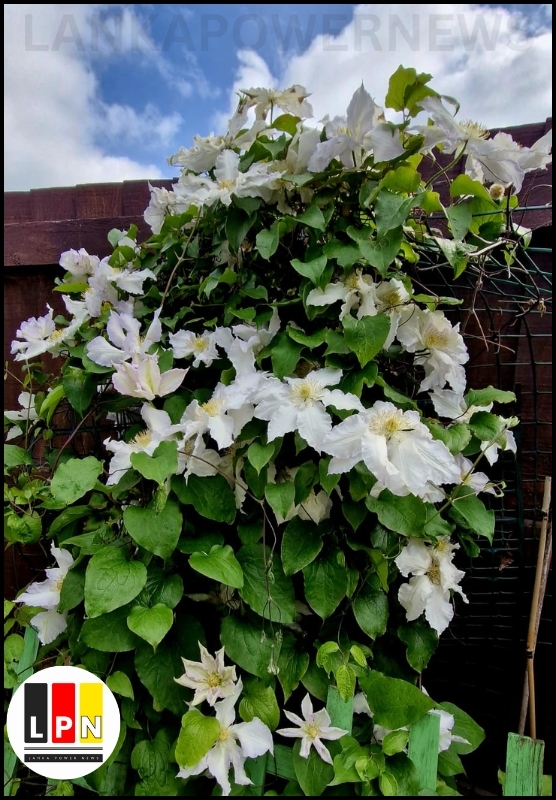
New Zealand’s climate, with its mild winters and often sunny, temperate summers, is basically a five-star resort for most varieties of clematis. They generally thrive in conditions that aren’t too extreme, and that’s what a lot of the country offers.
However, just like choosing a holiday spot, you need to pick the right location in your garden. The old gardening adage for clematis is: “Feet in the shade, head in the sun.” Have you ever heard that one?
It means the foliage and flowers want to bask in the sun for several hours a day—that’s how they get their energy for those amazing blooms. But the roots and the base of the plant? They prefer to stay cool, moist, and protected from the harsh midday heat.
So, when you’re planning your garden, think about planting a low-growing shrub or using a few well-placed stones or mulch at the base of your clematis. It’s like giving the roots a built-in sun umbrella. Smart, right?
How to Grow Clematis: The Simple Starter Guide
If you’ve always thought these plants were too fussy or difficult, you’re not alone. But honestly, mastering how to grow clematis is much simpler than most people think, especially once you understand its basic needs. It’s mostly about getting the first few months right.
Location, Location, Location
As we touched on, a sunny spot is key—at least six hours of sunlight is ideal for the best flowering. But remember the “feet in the shade” rule. Good drainage is non-negotiable, too. Clematis hate having soggy roots, which is a common problem in some parts of New Zealand, particularly after heavy rain.
If your soil is heavy clay, spend some time digging in some compost, some grit, or well-rotted manure to improve the drainage before planting. It’s like giving your plant a luxury apartment instead of a leaky basement.
Planting Your New Vine
When you’re ready to plant, dig a hole that’s twice as wide as the pot the plant came in. And here’s a pro tip for how to grow clematis successfully: plant it slightly deeper than it was in the pot—about 5 to 10 centimetres deeper.
Why deeper? This encourages the vine to develop buds below the soil line. If the vine ever gets accidentally snapped or suffers from a fungal problem at the base, those buried buds can shoot up and save the whole plant. It’s a great piece of insurance!
Once it’s in the ground, water it well, and make sure to add that protective layer of mulch around the base to keep those roots cool and moist. You’ll thank yourself for this step later.
Feeding and Watering.
Like any show-stopper, a clematis needs good fuel. During the growing season (spring and summer), they love regular feeding. A balanced, slow-release fertiliser, or a good handful of rose food, works wonderfully. They are heavy feeders because they put out so much beautiful growth and so many flowers.
Keep the soil consistently moist, especially during dry spells. You don’t want it waterlogged, but you definitely don’t want it to dry out completely either. Think of it as keeping a good, steady supply of water available for all that climbing and flowering work.
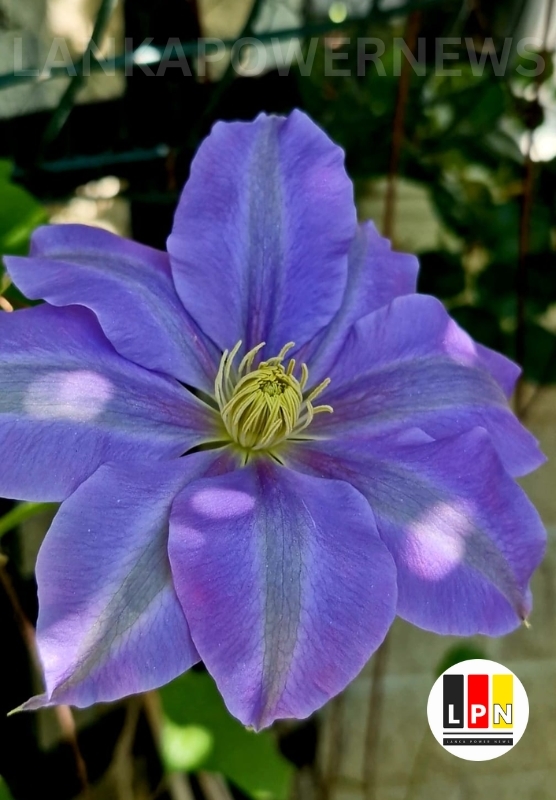
The Big Mystery: Understanding Clematis Pruning
Now we get to the part that scares a lot of new gardeners: pruning. Honestly, this is where most people get tripped up on how to grow clematis—but it doesn’t need to be complicated.
The reason it seems complex is because different varieties of clematis flower at different times of the year, and they need to be pruned based on when they flower.
Instead of remembering every variety name, just remember the three basic groups.
Group 1: The Early Birds (The Spring Bloomers)
These are the ones that flower first, often in late winter or early spring. Think of species like Clematis montana—they are often covered in masses of flowers before the leaves even fully emerge.
The Rule: They bloom on old wood (last year’s growth). So, only prune them lightly right after they finish flowering. If you prune in winter, you’ll be cutting off all your flowers! They mostly just need a tidy-up and to be kept within bounds.
Group 2: The Mid-Season Beauties (The Large-Flowered Hybrids)
These are your classic, big, showy clematis that often have two rounds of flowering—a big one in late spring/early summer, and a smaller one later in the season. Think of popular varieties like ‘Nelly Moser’ or ‘The President’.
The Rule: These need a light prune in late winter/early spring to tidy them up and remove dead wood. Then, a second very light prune after the first big flush of flowers is done. This encourages that second, smaller bloom later on. The key is light pruning.
Group 3: The Late Bloomers (The Summer and Autumn Stars)
These are the easiest ones! They flower in summer and autumn on new wood (this year’s growth). Think of varieties like Clematis viticella types or ‘Jackmanii’.
The Rule: Prune these hard in late winter (around August/early September in New Zealand). Cut all the stems down to a strong pair of buds, about knee-high (around 30–50 cm) from the ground. Since they flower on the growth they produce after this prune, you can be quite ruthless! It’s super satisfying.
If you don’t know which group your clematis belongs to, don’t panic! Wait to see when it flowers for a year, and then you’ll know exactly how to prune it the following year. Easy, right?
Practical Uses: Making Clematis Work in Your Garden
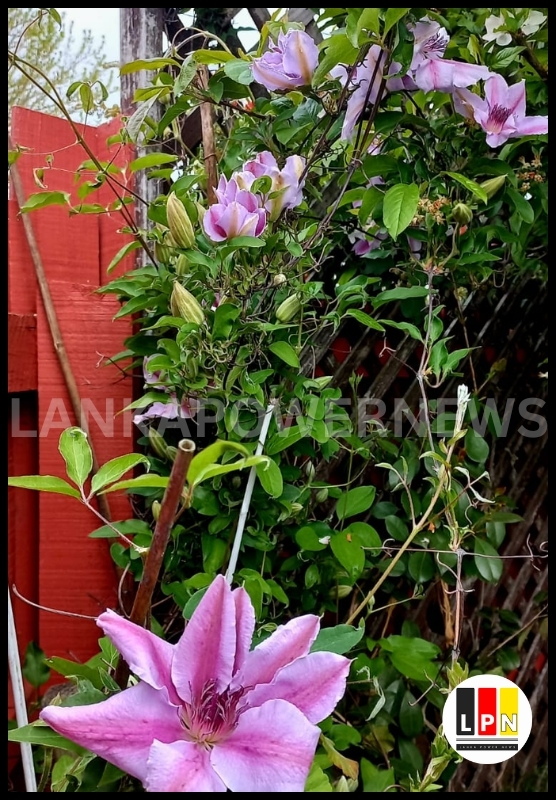
One of the great joys of figuring out how to grow clematis is finding the perfect spot for them. They are incredibly versatile.
Do you have an ugly downpipe you want to hide? Train a clematis up a piece of wire attached to it. Do you have a small, skinny garden bed that lacks impact? Put up a small trellis and let a vibrant cultivar climb it.
They are also brilliant for growing through other plants. For instance, if you have a non-climbing rose bush, try planting a contrasting colour clematis near it. The clematis will use the rose as a natural support, and when the clematis flowers, you get two layers of beauty in the same spot. It’s a wonderful trick to add depth and interest.
Even a small courtyard can benefit. You can grow the smaller, more compact varieties in large pots, as long as you provide a small support and remember to keep them well-watered (pots dry out faster!).
A Nod to Our Kiwi Originals: The Native Clematis.
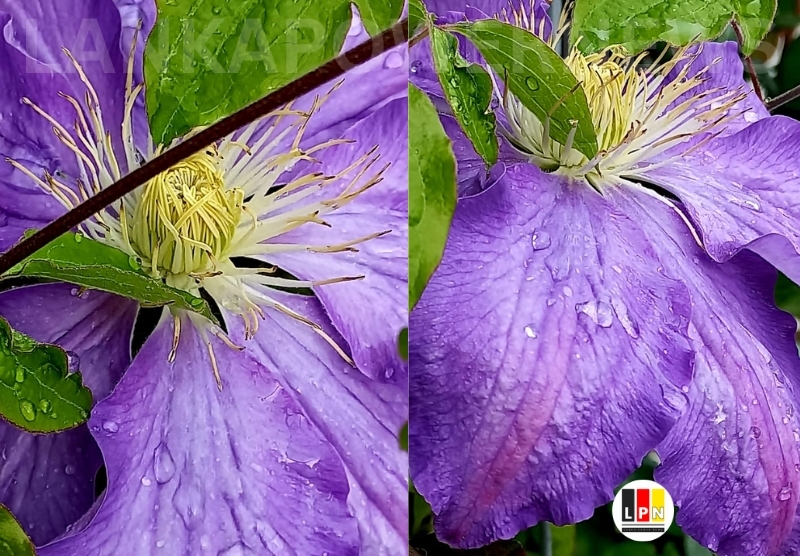
Let’s circle back to our own New Zealand treasures for a moment. If you want a truly local and robust climber, look for Clematis paniculata (puawānanga) or Clematis forsteri.
Our native clematis often have smaller, delicate flowers compared to the big hybrids, but they make up for it in sheer volume and fragrance. Plus, the native ones tend to be incredibly tough and don’t suffer from as many pest or disease issues as some of their international cousins.
They are an excellent, low-fuss option for someone who wants the beauty of a flowering vine but perhaps isn’t interested in the intensive pruning needed for Group 2 or 3 hybrids. They are an essential part of the story of clematis in New Zealand.
And think of the wildlife! Flowering native plants are crucial for supporting our local bees and insects, which is a wonderful benefit that goes beyond just looking pretty.
Final Thoughts on Your Clematis Adventure
Tackling how to grow clematis successfully is really just about understanding three simple things: cool roots, plenty of sun, and knowing which pruning group your vine belongs to. Once you master those, you’ll be rewarded year after year with some of the most spectacular flowering displays your garden has to offer.
There is something truly magical about watching these vines wake up in the spring and start their ascent, transforming a plain structure into a curtain of flowers. They add a vertical element that changes the entire dimension of your garden space.
What do you think? Are you ready to dive into the world of these incredible climbing flowers? Which corner of your garden is just waiting for a splash of clematis colour? I bet you’ll be hooked!







2 Comments