Onions, Companian Gardening…!
Did you know that your onions might be feeling a bit lonely in their garden bed? It sounds funny to think about plants having a social life, but in the world of gardening, who you hang out with can make or break your success. If you have ever wondered why some gardens look like a wild, thriving jungle while others struggle with pests and yellowing leaves, the secret often lies in a technique called companion gardening.
Let’s break it down into something simple because gardening should be fun, not a chore. Essentially, companion planting is the art of placing specific plants next to each other so they can help one another grow better. When it comes to onions, they are basically the “cool kids” of the garden. They have a very strong scent that acts like a natural shield, and knowing how to grow them alongside the right partners can change your entire harvesting game.
As a No-Fly Zone.
What is it about onions that makes them such great neighbors? Well, most bugs absolutely hate the smell of onions. While we might love the aroma of sautéed onions in a pan, a carrot fly or a hungry aphid thinks it is the worst smell on the planet. By tucking onions in between your other vegetables, you are essentially creating a natural “no-fly zone” for pests that would otherwise gobble up your hard-earned produce.
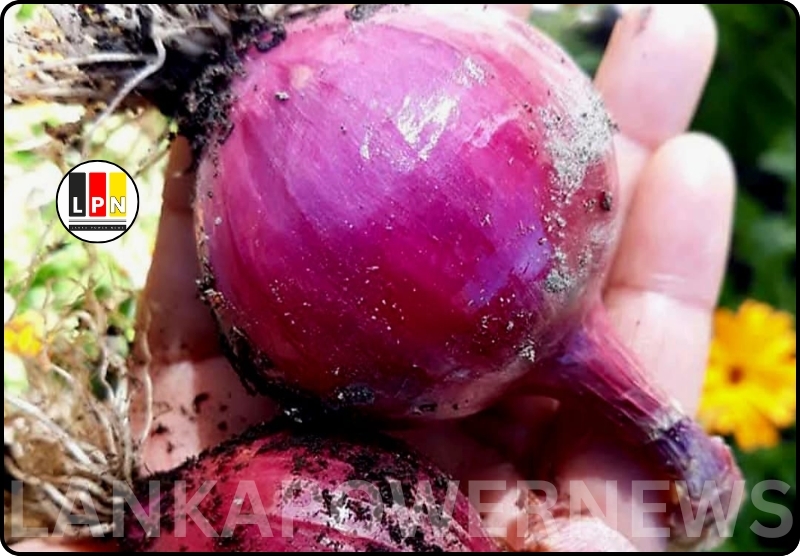
When we look at the core of onion cultivation, understanding how to grow them is the first step toward a beautiful harvest. You don’t need a degree in botany to get this right. Onions are pretty hardy, but they do have a few specific needs. They love the sun and they really appreciate soil that drains well so their “feet” don’t get soggy and rot.
You Have Two Choices.
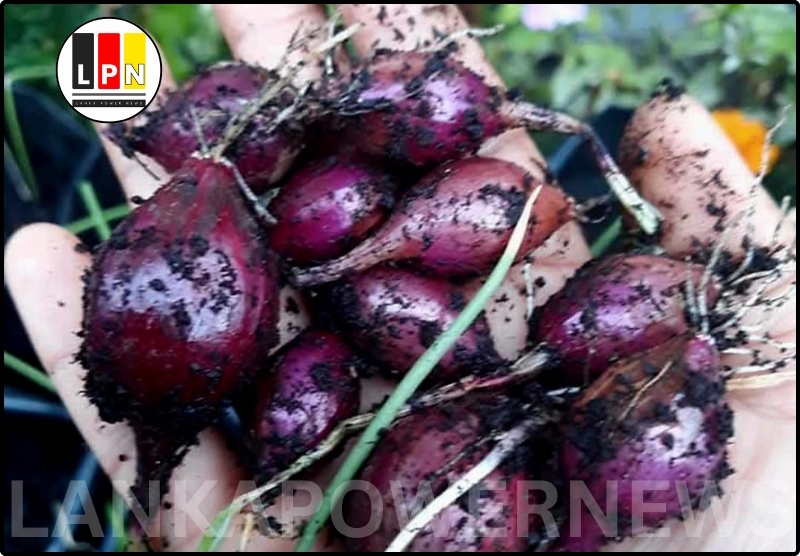
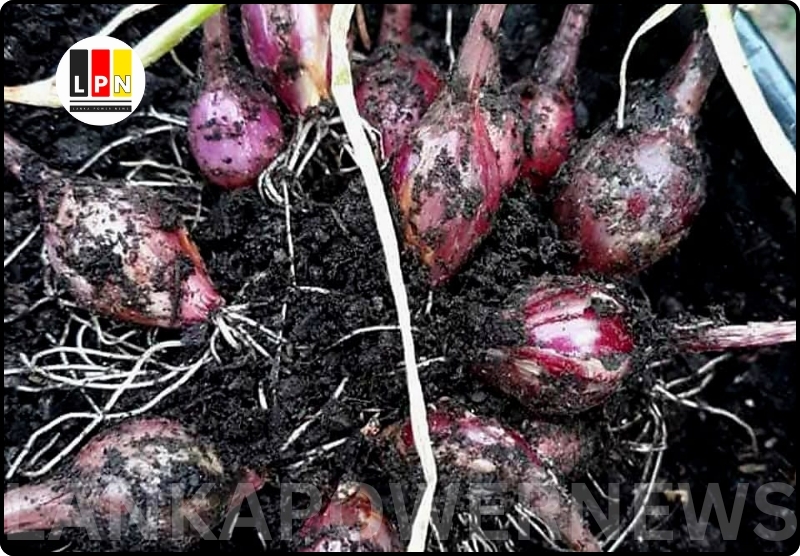
If you are starting from scratch, you usually have two choices: starting from seeds or using “sets,” which are just tiny baby onions. Most casual gardeners find that using sets is much easier because they get a head start on the season. You just tuck them into the dirt, leave the little tips poking out, and let nature do its thing. But the real magic happens when you start thinking about where those onions are sitting in relation to their friends.
What are the advantages of being so picky about their placement? Aside from the pest control we talked about, companion gardening helps with space management and soil health. Onions have relatively shallow roots and thin, upright leaves. This means they don’t take up much vertical space and they don’t cast a big shadow. You can squeeze them into the gaps between larger, bushier plants like cabbage or broccoli without worrying about them competing for sunlight.
Best Friends in Vegetable World.
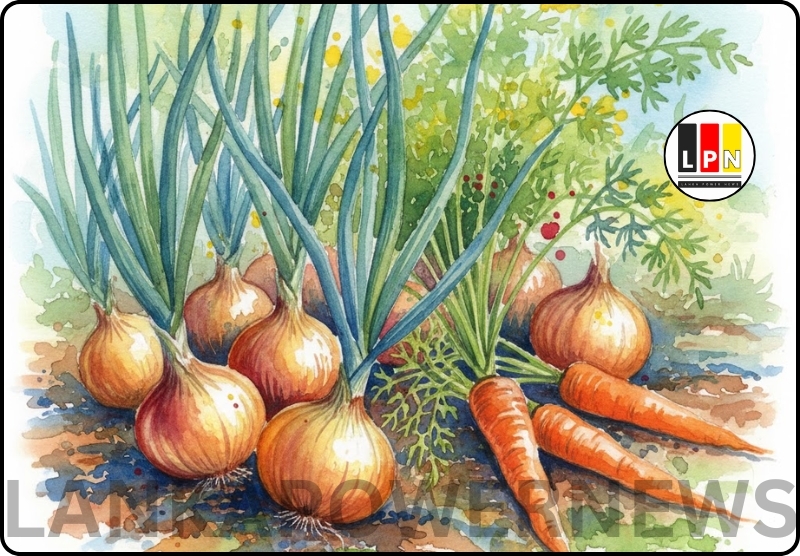
Did you know that onions and carrots are basically the “best friends” of the vegetable world? It is one of the most famous pairings in gardening history. Carrots are often targeted by the carrot rust fly, while onions are bothered by the onion fly. When you plant them together, the mixed scents confuse both pests. The fly looking for the carrot smells the onion and gets lost, and the fly looking for the onion smells the carrot and gives up. It is nature’s way of providing a cloaking device for your food.
Let’s look at how people do this across the globe because different climates have led to some really clever tricks. If we look at the New Zealand method and others country systems, we see a lot of variation based on the soil and the weather. In New Zealand, gardeners often deal with quite a bit of wind and varying moisture levels depending on which island they are on.
New Zealand Was of Planting Onions.
Kiwi gardeners often focus on high-quality organic mulch and raised beds to handle the rainfall. The New Zealand method frequently involves planting onions in very close proximity to strawberries. It might sound like a weird fruit salad, but onions help protect the delicate strawberries from fungal issues and certain beetles. Because the New Zealand growing season can be quite long in the north, they often use this companion system to keep the soil productive year-round.
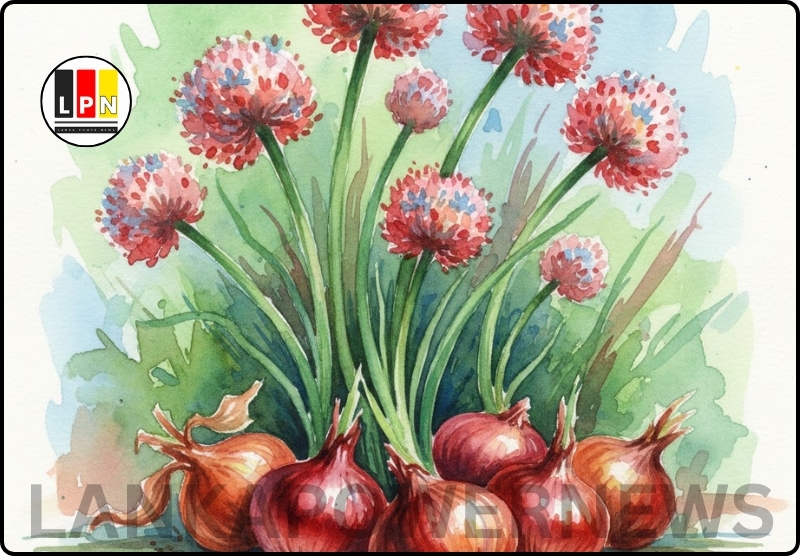
In other parts of the world, like the UK or parts of Europe, the system might focus more on the “Three Sisters” style of thinking, though that is traditionally for corn, beans, and squash. For onions, European systems often emphasize the “allium” family’s ability to protect roses. Many rose enthusiasts will plant chives or ornamental onions at the base of their rose bushes to keep aphids away and even prevent black spot disease.
What do you think about the idea of your garden being a tiny ecosystem rather than just a row of plants? In the United States, especially in organic circles, the “intensive gardening” system is very popular. This involves planting in blocks rather than long, lonely rows. By grouping onions with lettuce and beets, the lettuce acts as a living mulch that keeps the ground cool and moist for the onions, while the onions keep the nibbling rabbits and insects away from the tender greens.
Pair Them with the Right Companions.
It is also worth noting that while onions have many friends, they do have a few enemies. You should generally keep them away from beans and peas. For some reason, onions can actually stunt the growth of legumes. It is like putting two people who speak different languages next to each other at a dinner party; they just don’t communicate well through the soil, and the beans end up suffering for it.
If you are curious about the technical side of how to grow them for the biggest yield, remember that onions are “photoperiodic.” This is just a fancy way of saying they react to how much daylight they get. Some varieties need long days to form a bulb, while others need short days. This is why the New Zealand method and others country systems differ so much. A gardener in Invercargill is dealing with very different daylight hours than someone in Queensland or California.
When you get the timing right and pair them with the right companions, what are the advantages you’ll see in the kitchen? Beyond just having a bigger harvest, many gardeners swear that companion planting actually improves the flavor of the vegetables. While science is still debating the exact “why” behind this, there is a lot of anecdotal evidence that onions grown near savory herbs like chamomile or summer savory actually end up tasting sweeter and more complex.
Conclusion.
Think about the satisfaction of walking out to your backyard and seeing a garden that is working for itself. You aren’t reaching for a bottle of chemical spray because your onions are doing the heavy lifting for you. They are standing guard over your carrots, providing a scent barrier for your brassicas, and making sure your strawberries stay healthy. It is a much more relaxed way to garden because you are leaning into the way nature already works.
As you plan your next planting cycle, maybe take a moment to look at your garden map and see where you can tuck some onions in. Whether you are following a specific regional style or just experimenting in your own backyard, the results are usually worth the little bit of extra planning. It is all about creating a community in the dirt that supports itself from the roots up.
So, are you feeling ready to grab some onion sets and start playing matchmaker in your garden beds? It’s a small change that can lead to a massive difference in how your garden thrives. What’s the first companion you’re going to try planting next to your onions this season?