
අලි මිනිස් ගැටුමට විසඳුම්..!
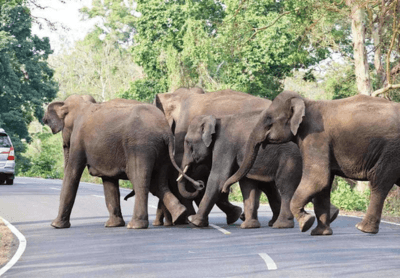
ඉහත මාතෘකාව ගැන පැය 3 ක පමන Online ක්රමයට තිබුනු සාකච්චා වට සම්බන්ධ විය. මෙය මෙහෙය වුවේ ආචාර්ය නිමල් චන්ද්රසිරිය. මෙයට අත්දැකිම් ඇති විද්වතුන් සම්බන්ධ වී අදහස් දැක්විය. මහාචාර්ය දන්ගොල්ල, මහාචාර්ය ඔස්වින් ප්රනාන්දු, වෛද්ය තාරක, ඇතුලු කීපදෙනකු ඔවුන්ගේ අත්දැකිම් හා ව්සදුම් ඉදිරිපත් කලමෙයට හේතු අපි කවුරුත් දත් කරුනු වේ. වන ගහනය අඩු විම, අලි මංකඩ අවහිර වීම, ආහාර හිඟය. වන අලින්ගේ ස්වාභාවික වාසස්ථාන අහිමි විම වැනි කරුනු ඉදිරිපත් විය.
https://dubailankanews.com/wp-content/uploads/2025/04/Elephant-5.jpg
පසුගිය දශකය තුල අලි මිනිස් ගැටුම සඳහා විසඳුම් ලෙස විදුලි වැට, පලාව හැරිම, පැගිරි ශාක වැවීම, අගල් යේදිම, මී මැස්සන් බහුල කිරිම ජනතාවට හදුන්වා දි ඇත. නමුත් මෙම විසඳුම්ද අසාර්තක වෙමින් ඇති බව සාකච්චා විය. මෙතෙක් වන ජීව් දෙපාර්තමේන්තුවේන් නොකල එකම ව්යපෘති ය වන්නෙ වන අලින් ගැවසෙන භූමිය තුල සතුන්ට අවශ්ය ජලය, තෘණ වර්ග, බහු වාර්ෂික ශාක වැනි දේ බහුල නොකරිමය. ඔවුන් කුමන කොරිඩෝවක ගියත් ජලය සහිත වැව් ආශ්රිතව ටික දිනක් රැදි සිටි. එම තත්වය තුල සැලසුම් සහගතව තෘණ, ශාක වගා කිරිම කල හැකිනම් අලින් ආහාර සදහා ගම් වැදිමට ඇති ඉඩ කඩ අවම බව වන ජිව් විද්වතුන් යෝජනා කරන ලදි.
https://colombobuzz.com/wp-content/uploads/2021/03/69572898_1284378655069773_330959992167333888_o.jpg.webp
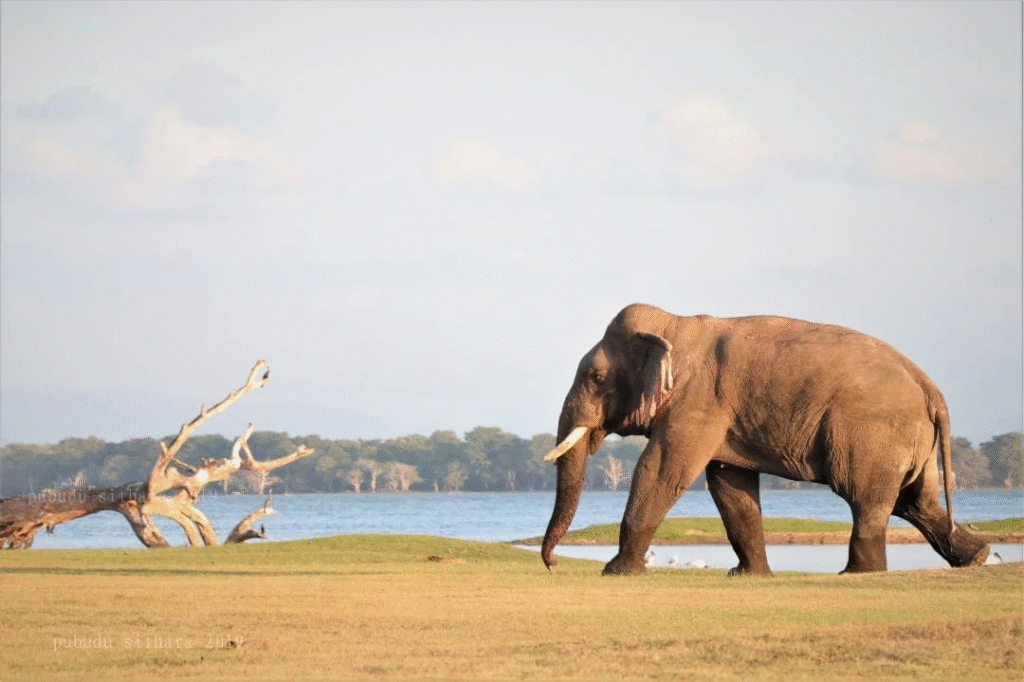
කලා වැව නැවතත් වන අලින්ට.
බොහෝ වැව් වල ජපන් ජබර වැනි ආක්රමනශීලි ජලජ ශාක ඇත. පායන කාලයේදි වැවේ ජලය අඩුවෙමින් වැව් පිටිය පුලුල්වේ. වන සතුන්ට ආහාර හිගය බහුල ලෙස දැනෙන්නෙ මේ කාලයෙදිය. නමුත් වැව් පිටියේ ආහාර වෙනුවට ඇත්තේ ජපන් ජබර වැනි ශාකය. මේ මොහතේ ඉතාමත් හොඳ දෙයක් ත කන්ඩායම් කරයි. ඔවුන් මෙම ආක්රමනික ශාක ඉවත් කරයි. එම උත්සහයට හමුදාවේද ගම් වැසියන්ගේද සහාය ලැබි ඇත.
නමුත් උපරිම ප්රතිපල ගැනීමට තව සුලු දෙයක් කලයුතුය. එනම් මෙම ශාක ඉවත් කරන භුමියේ ජලයට ඔරොත්තු දෙන අලින් ප්රිය කරන තෘණ වැවිය යුතුය. එය ඉතාමත් පහසුවෙක් කල හැකිය. කල යුත්තේ බ්රකේරිය(Brachiaria) බීජ වැපීරිම වේ. මේ බීජ මේ මොහතේ ලංකාවෙ නැත. නමුත් ඉන්දියවෙන් හෝ වෙනත් රටකින් මේ බීජ පහසුවෙන් ආනයනය කල හැකිය.
මේ පිලිබදව කෘෂි නිළධාරින් ගේ හා වනජිව් අධ්යාක්ෂකලාගේ අවධානය යොමුවේනම් හොඳය.
වනජීව් අධ්යාක්ෂක වෛද්ය තාරකද මේ අදහස අනුමත කල බව දන්වමි.
වන අලින්ට අපිට වගේම දිනපතාම ලුණු ඕන. වනයේ ආහාර වල අවශ්ය ප්රමානයට ලුණූ නැත. ඒ නිසා අලි ගම් වදිනව ලුණු සොයාගෙන, ගෙවල් වල කුස්සිය පැත්තෙ කැරකෙන්නෙ ලුණූ ගැන තියෙන ඉව නිසා. වෙනත් රටවල අලි ගම් වලට වැදීම වැලක් විමට ලුණූ ගඩොල් වගේ හදල වැව් ආශ්රිතව තියනව. ලංකාවෙ පන්ඩිතයෝ මේ මොන මගුලක් වත් කරලත් නෑ දන්නෙත් නෑ. උන් දන්නෙ විදුලි වැට, අගල්, වෙඩි ගැන විතරයි.
පහත තියෙන්නෙ ඒ ගැන සාරංශයක්.
significant daily salt intake for bodily functions, but their natural habitat often lacks sufficient salt, leading them to seek it out. This desire for salt can drive elephants out of protected wildlife sanctuaries and into conflict with farmers. Conservation efforts, like providing artificial “salt licks” made of mineral-rich soil and salt rock, are used to supplement their diet and keep them within the sanctuaries, ensuring their health and preventing human-elephant conflict.
Why Elephants Need Salt
Physiological Needs:
Adult elephants need a substantial amount of salt daily to maintain proper bodily functions.
Natural Sources are Insufficient:
The plants found in their natural environments often lack the necessary salt content to meet an elephant’s needs.
Consequences of Salt Deficiency
Habitat Departure:
When they don’t get enough salt from their natural environment, elephants will leave their protected areas to search for it.
Human-Elephant Conflict:
This search for salt can lead them to agricultural plantations and human settlements, creating dangerous situations for both elephants and people.
Conservation Solutions
Artificial Salt Licks:
Conservationists create artificial salt licks using mineral-rich soil and salt rock to provide elephants with the essential salt they need.
Purpose:
These salt licks are strategically placed within wildlife sanctuaries to encourage elephants to stay within these protected zones, promoting their health and well-being, and reducing the risk of them venturing into areas with crops and people.
වන අලින්ගෙන් වගාව බේරගන්න පහත ක්රමය කරල බලන්න.
මිරිස් කුඩු, දුම්කොල හා ග්රීස් එකට අනා කඹයක ගාන්න. කිලෝමීටර කීපයක් වුවත් මෙවනි ලනු යෝදා වගාව වට කරන්න. අලි පැත්ත පලාතෙ එන්නෙ නැ. මීරිස් සුවද උන්ට ඉවසන්න බැ.
Chilli Rope
Chilli rope is a technique where chilli powder is mixed with grease and dry tobacco leaf, and then applied on ropes along
the perimeter of a crop field for repelling elephants. This technique uses locally available and affordable materials and a
recommended variety of locally grown hottest chilli as elephants do not like the smell of chilli.
This technique was so much interesting for the communities that they participated in the installation and maintenance
without charging for their labour. Both the project team and the community purchased sun-dried chillies from the local
market to prepare the sticky paste by mixing the chilli powder with tobacco leaf and grease. The paste was then smeared
On ropes and put up around selected plots. The project provided materials to pilot a total length of 10 kilometer chilli rope. fence in the project sites. The low-cost, relative to other barriers, has made chilli rope technique an attractive option to be
used in the dry season as rain washes out the effectiveness of the chilli-tobacco-grease rope fence.







2 Comments