
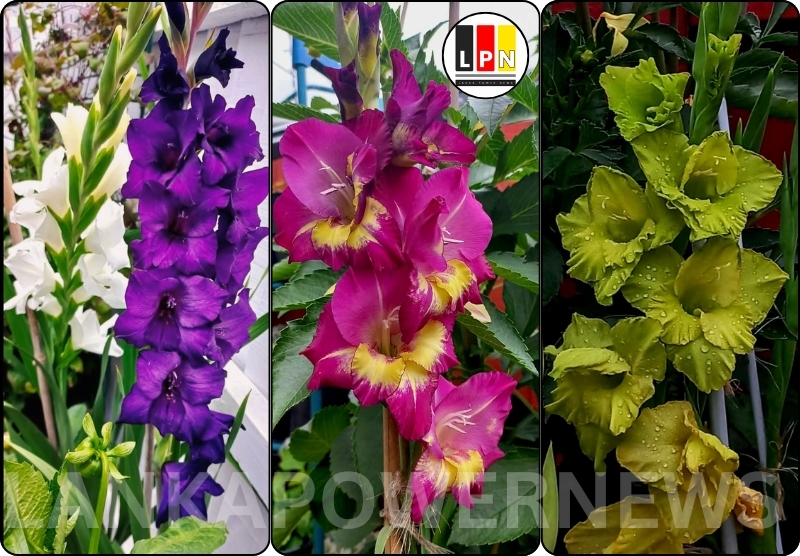
Gladiolus in New Zealand..!
When I first came to New Zealand, I felt like I was in a paradise because of the flowers. In spring, there are flowers everywhere. From the beginning of my life here in New Zealand, I was determined to grow as many flowers in my garden as I could. I did not care whether they were Roses, Dahlia, Clematis or Gladiolus. So, if you love flowers, grow them in your garden then feel them and care for them. It could be marvelous experience to live with a flower garden surrounding you.
Did you know that the common Gladiolus—those towering, colorful spikes we see in Kiwi gardens—actually shares a nickname with the warriors of ancient Rome? Known as the “Sword Lily” because of their sharp, blade-like leaves, these plants are far more than just a pretty face in a vase. What if you could transform your backyard into a professional-looking floral retreat with just a few handfuls of “corms” and a bit of sun?
If you have ever driven past a rural New Zealand property and seen those magnificent stalks of red, purple, and orange standing tall against a picket fence, you have seen a plant that truly loves our climate. But if you are new to the world of “Glads,” you probably have a few burning questions. When do I put them in the ground? Do they just pop back up next year like magic? And how on earth do I keep them from falling over in a brisk Wellington wind? Let’s break it down together.
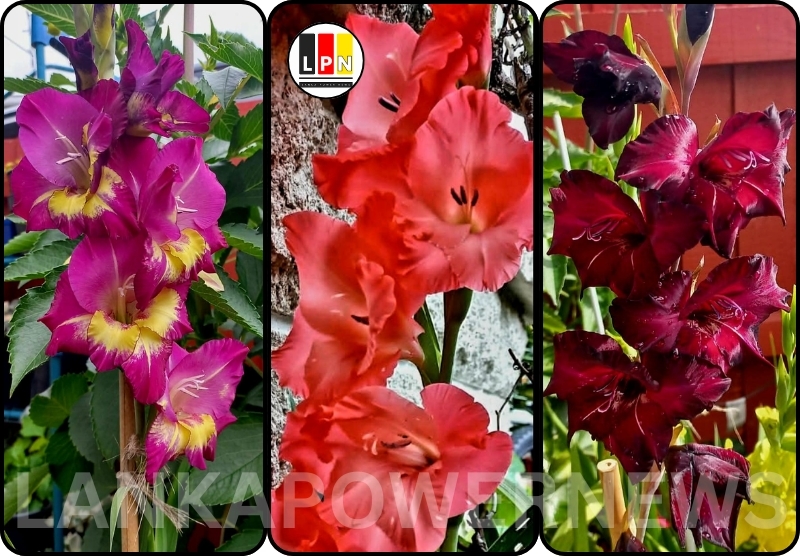
Timing is Everything in the Garden
The most common question for any gardener in the Land of the Long White Cloud is: when to plant Gladiolus bulbs in New Zealand? Now, before we get too deep into the dirt, here is a tiny technicality. While we all call them bulbs, they are actually “corms”—little fleshy underground stems that store all the energy the plant needs. In New Zealand, the window for planting is surprisingly generous, spanning from late winter right through to the beginning of summer.
If you are living in the “Winterless North,” you can often get away with planting as early as July or August. However, for most of us in the South Island or the cooler central regions, it is much safer to wait until the ground has warmed up a bit and the risk of those nasty spring frosts has passed. Generally, September to December is the sweet spot. A clever trick many Kiwi gardeners use is “staggered planting.” Instead of putting all your corm “eggs” in one basket, try planting a few every two weeks. This way, you don’t get one giant explosion of flowers followed by a sad, empty garden; you get a continuous parade of blooms from Christmas right through to April.
Will They Visit Again Next Year?
You might be wondering, are Gladiolus coming back every year, or is this a one-hit wonder? The answer is a resounding “yes,” but with a slight catch depending on where you live. Gladioli are perennials, meaning they are designed by nature to return. In warmer, free-draining areas like Auckland or Nelson, you can often leave them in the ground over winter and they will happily multiply, popping up again when the sun returns.
However, if your garden soil turns into a bit of a swamp during a soggy Kiwi winter, or if you live in a frost-prone area like Central Otago, leaving them in the ground is a bit of a gamble. The corms can rot if they sit in cold, wet mud for too long. Many successful gardeners choose to “lift” their corms about six weeks after the last flowers have faded. You just dig them up, trim the foliage, and let them dry out in a cool, dark garage or shed. It is like putting your flowers into a cozy hibernation until next spring.
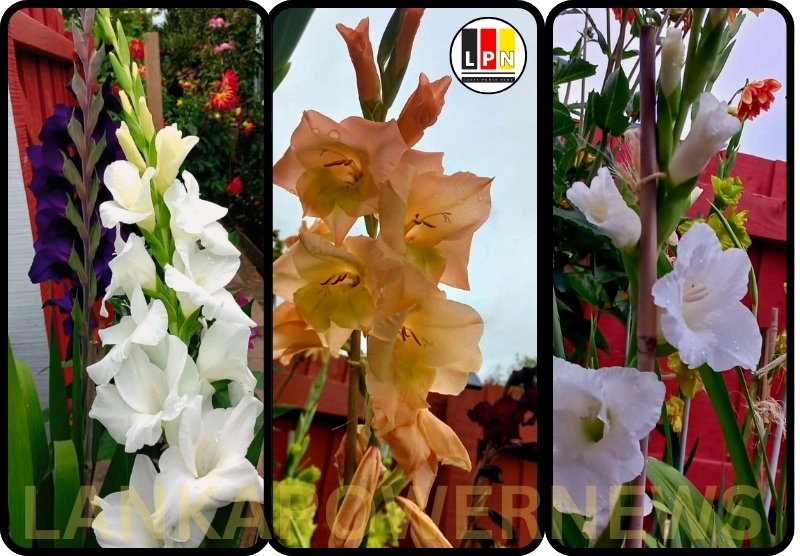
The Secret to Happy Sword Lilies
Learning how to care Gladiolus isn’t rocket science, but there are a few local quirks to keep in mind. First off, these plants are sun-worshippers. They need at least six to eight hours of direct sunlight to produce those thick, flower-heavy stems. If you tuck them away in a shady corner, they will grow tall and spindly, searching for the light until they inevitably flop over.
Speaking of flopping, let’s talk about the wind. We all know New Zealand can get a bit gusty. Because Gladioli have relatively shallow root systems and top-heavy flower spikes, they can be a bit like sails in a storm. A simple solution is to plant them in groups of ten or twenty. When they grow together, they act as a natural support system for one another. If you have a particularly tall variety, inserting a bamboo stake at the time of planting—being careful not to poke the corm itself—will give them that extra bit of backbone to stand tall against the elements.
Feeding and Watering Your Floral Giants
When it comes to thirst, think of your Gladioli as a friend who likes a good, deep drink rather than a constant drizzle. During the height of a New Zealand summer, you’ll want to water them deeply once or twice a week to ensure the moisture reaches the roots. Avoid getting water on the leaves if you can, as this can invite “rust,” a fungal issue that looks like little orange spots.
Feeding them is also pretty straightforward. They aren’t particularly greedy, but a little bit of bulb food or a balanced liquid fertilizer when the shoots are about 15 centimeters high can work wonders. It’s like giving them a protein shake right before they start the heavy work of growing those massive flower spikes.
Why We Love Them So Much
There is something deeply nostalgic about Gladioli. They remind many of us of our grandparents’ gardens or those massive, dramatic bouquets at church and weddings. Beyond the nostalgia, they are incredibly practical. If you love having fresh flowers in the house, “Glads” are one of the best “cut and come again” options. If you cut the spike just as the bottom one or two flowers are starting to open, the rest will slowly unfurl in your vase over the next week or two.
They also come in every color of the rainbow—except maybe a true blue. You can find “Nanus” varieties, which are shorter and more delicate, or the “Grandiflora” types that can reach nearly two meters in height. Whether you have a tiny balcony with pots or a sprawling backyard, there is a version of this Roman sword lily that will fit right in.
Bringing it All Together
Growing these beauties in New Zealand is a rewarding way to mark the seasons. From the anticipation of planting in the spring to the vibrant display of summer color, they really do earn their keep in the garden. Whether you decide to leave them in the ground to naturalize or carefully lift and store them each year, they offer a level of drama and elegance that few other plants can match.
What do you think? Are you ready to clear a sunny spot in your garden and try your hand at growing these “Sword Lilies”? There is something so satisfying about seeing that first green tip poke through the soil, knowing that in a few short months, you’ll have a tower of color waiting for you. Would you like me to help you figure out which specific varieties might grow best in your particular region of New Zealand?







One Comment