Political Left vs Right: History, Definitions, and Key Issues
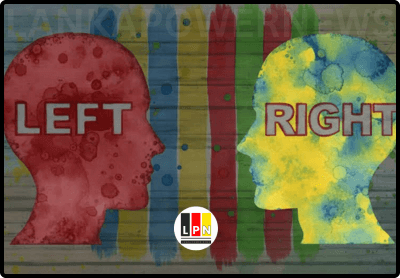
Have you ever wondered what people really mean when they talk about the difference between the political left vs right wings? It’s a common way to classify political ideas and parties, but it can feel confusing because the meaning can shift depending on the country or the era. Let’s break down the spectrum in a simple, neutral way.
🇫🇷 The French Origin: Where the Terms Began
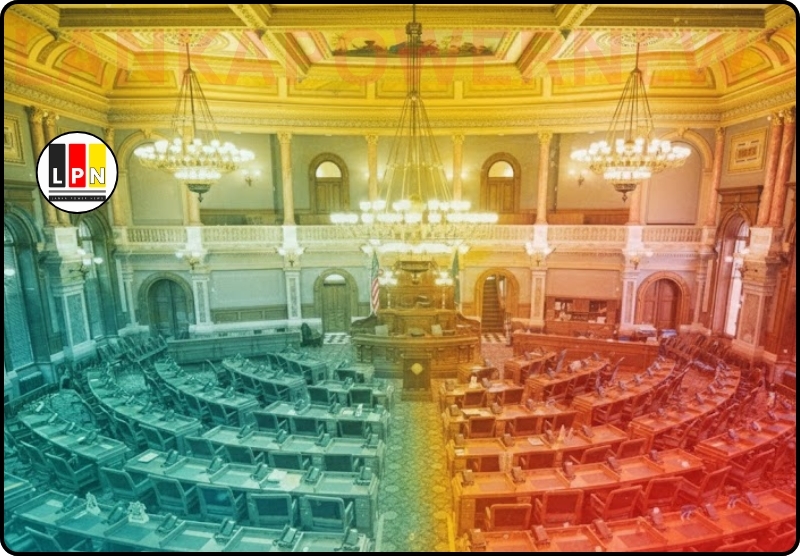
The terms actually date back to the French Revolution. In the late 1700s, those who supported the King and the traditional structures of authority sat on the right side of the legislative chamber, while those who favored revolutionary change, individual liberty, and reducing the monarchy’s power sat on the left. This historical seating arrangement gave rise to the labels we still use today.
Seating Arrangement and Ideology
The division began in the National Assembly (formerly the Estates-General) of 1789, specifically concerning a debate over the king’s power:
- The Right Wing (La Droite): Those who supported the monarchist Old Regime (Ancien Régime) and wanted to maintain or restore the King’s authority sat to the right. This side generally favored hierarchy, tradition, and limited change. They were considered conservatives.
- The Left Wing (La Gauche): Those who were supporters of the Revolution and wanted to limit the King’s power sat to the left. This side generally advocated for republicanism, equality, and radical political and social change. They were considered revolutionaries.
Terms Stick and Evolve
Over time, these positional terms spread beyond France and became associated with the underlying political philosophies: the Right came to represent preservation (conservatism), and the Left came to represent change (progressivism). The division, originally about the King’s veto, evolved into a universal metaphor for the opposition between those seeking to maintain the established order and those seeking reform.
What is Right Wing Means? Core Conservative Tenets
When people ask what is Right wing means, they are generally referring to political ideas focused on tradition, stability, and limited government intervention in certain areas. Think of it as prioritizing established institutions and systems.
Key Right Wing Positions:
- Economy: Advocates for free-market capitalism and economic liberty. This means lower taxes, less government regulation on businesses, and the belief that the private sector is the best engine for prosperity.
- Social Issues: Often values traditional social structures and institutions (e.g., family, religion, national identity).
- Role of Government: Focuses on limited government involvement and emphasizes individual responsibility and personal effort as the keys to success.
What is Left Wing Means? Core Progressive Tenets
In contrast, what is Left wing means generally points to political ideas focused on equality, progress, and social justice. Think of it as prioritizing change and fairness for all people, often through collective action.
Key Left Wing Positions:
- Economy: Tends to favor government intervention to reduce income inequality, protect consumers, and ensure a robust social safety net (like public healthcare and affordable housing). They often advocate for higher taxes on the wealthy to fund social programs.
- Social Issues: Typically champions progressive change, individual rights, and protecting the interests of marginalized groups.
- Role of Government: Focuses on using government power to solve societal problems and ensure that society has a responsibility to help those who are disadvantaged.
Finding the Middle Ground (The Center)
It’s important to remember that the answer to political left vs right is rarely a binary choice. Most political parties and individuals don’t sit perfectly at the extreme ends. Most are somewhere in the middle—the center—borrowing ideas from both sides.
For example, a “centrist” might believe in a free market economy (Right) but also support strong environmental regulations and a basic social safety net (Left).
Ultimately, the Left-Right spectrum is just a shorthand tool to understand different approaches to two core questions:
- How much should the government be involved in the economy and society?
- Should society prioritize tradition or change?
Understanding this spectrum helps you better decode political rhetoric and position yourself on the complex issues that define modern democracy.