Political Socialization: What It Is & How Your Views Are Formed
Did you know that long before you ever cast a vote, or even understood what a political party was, you were already being shaped into the political person you are today?
It’s true! It happens to all of us, and it’s a fascinating, lifelong process. We often think of politics as something that just exists “out there”—in the news, or on TV debates. But the truth is, your personal political world starts right inside your own home and community.
This journey of learning and developing your own ideas about government, democracy, and power is called political socialization.
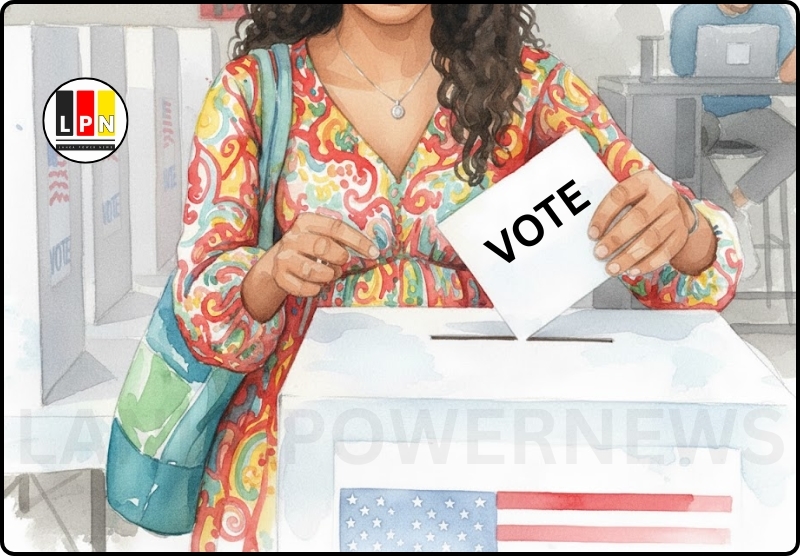
What is the Meaning of Political Socialization?
Let’s break it down in a friendly way. What is the meaning of political socialization? Simply put, it’s the process through which individuals, from childhood through old age, acquire their political orientation.
Think of it like learning how to speak a language; only instead of words, you’re picking up political values, beliefs, and behaviors. It’s about understanding who has the power, how decisions get made in your society, and where you fit into that whole structure. It’s how you learn to see the world, politically speaking.
This process is largely how political systems manage to keep going, passing on core ideas like the importance of voting, respecting the flag, or believing in certain freedoms from one generation to the next. It’s not just about memorizing facts, either. It’s about forming deep-seated attitudes, like whether you generally trust the government or if you tend to be skeptical of authority. These emotional and psychological foundations are often set very early on.
The Agents: How People Develop Their Political Knowledge
Now, for the big question: how people develop their political knowledge and beliefs. It doesn’t happen in a vacuum. You are constantly absorbing information and values from different sources, which political scientists call “agents of socialization.”
Imagine your political self as a garden. These agents are the people and institutions that plant the seeds, water them, and sometimes even try to prune the branches.
Let’s look at the most powerful agents that shape your views.
The Family: The First Political Classroom
Your family is, without a doubt, the single most important agent, especially in your earliest years. They are your first, and often most enduring, political classroom.
You might not remember your parents actively teaching you about taxes or foreign policy when you were three. But socialization at this stage is often subtle and indirect.
If your parents were passionate about certain issues, voted religiously, or always talked about politics at the dinner table, you were soaking that up.
More fundamentally, you learn basic political trust or cynicism from them. If they taught you to respect authority figures like teachers and police, that often translates into a general respect for the institutions of government.
Conversely, if they were consistently critical or distrustful of the system, that viewpoint might become a foundational part of your own thinking. Even your basic party affiliation is often an echo of your parents’ preferences, at least initially.
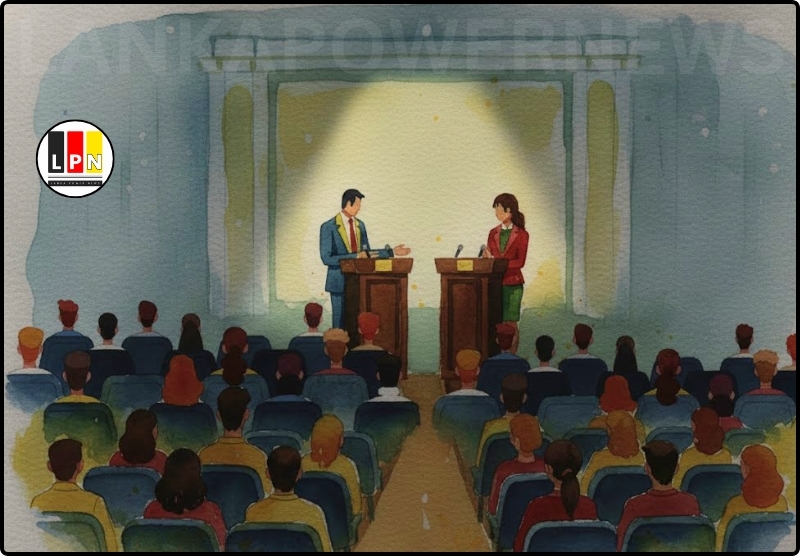
Schools: Civics and the Hidden Curriculum
Next, you leave the house and enter school, where political socialization becomes more formal and direct.
In your civics or history classes, you literally learn how people develop their political knowledge by being taught the Constitution, the workings of government, and the history of your nation.
But schools have a “hidden curriculum” too. When you learn to stand in line, follow rules, respect the principal, and participate in classroom elections, you are learning the fundamentals of citizenship and democracy: order, procedure, and majority rule.
Your teachers, often unintentionally, convey their own political values and ideas about what makes a “good” citizen, contributing significantly to your developing political identity.
Peers and Friends: The Testing Ground
As you enter adolescence, your family’s hold loosens, and your peer group your friends and classmates becomes much more influential.
When you’re with your friends, you’re in a safe space to test out ideas, debate current events, and figure out what you actually believe, independent of your parents.
These peer groups are critical in shaping your political attitudes because they offer validation. If your friends share a certain viewpoint, you are more likely to adopt and solidify that view yourself.
This is often where radical shifts can happen, as young people start to align with social and political movements that feel more relevant to their immediate concerns than the old party lines of their parents.
The Media: The Window to the World
In the modern world, the media is arguably the most pervasive and constant agent of political socialization.
From the 24/7 news cycle to social media feeds, the media provides the constant stream of information that allows you to start figuring out what is the meaning of political socialization in real-time.
It’s how you learn about candidates, policies, and international events. But it’s not just the news; even movies, TV shows, and video games can carry political messages about justice, power, and who the heroes and villains of society are.
The sheer volume of information, and the rise of social media algorithms that tend to show you more of what you already like, means the media plays a huge role in determining not just what you know, but how you know it.
The Lifelong Nature of Political Learning
Here’s a key insight: political socialization isn’t something that stops when you turn 18 and register to vote. It’s a lifelong process.
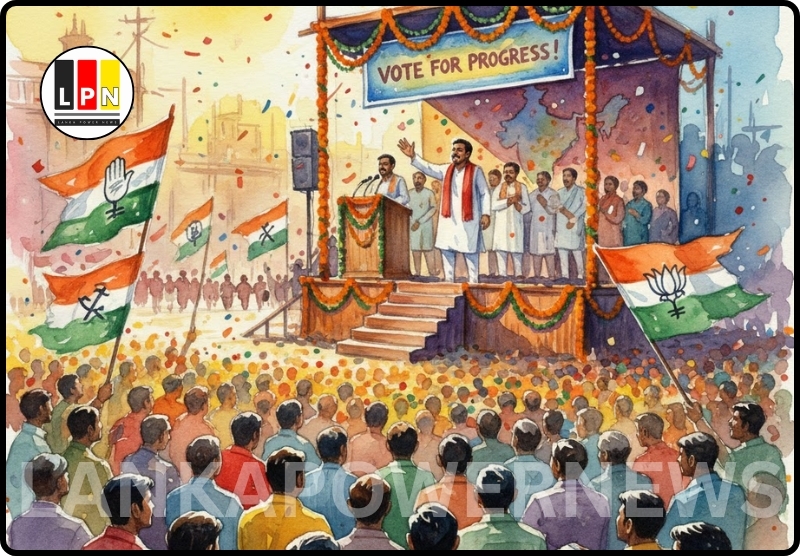
Life events constantly challenge and refine your political views. Moving to a new city, starting a new job, getting married, or experiencing an economic recession can all trigger a re-evaluation of your core political beliefs.
Think about someone who grew up in a very conservative small town but moves to a diverse, liberal city for college. They will be exposed to new ideas, new people, and new political priorities that might completely change the way they vote.
The same goes for someone who has a major shift in their personal economic status. A struggling student might become a high-earning business owner, and those changed circumstances often bring about changed political perspectives.
Other Key Influences
While family, school, peers, and media are the big four, many other factors contribute to how people develop their political knowledge:
- Religious Institutions: Churches, temples, mosques, and other religious organizations often teach strong moral and ethical values that inform how members view political issues like social justice, human rights, or moral policy debates.
- Workplace/Professional Organizations: The culture and concerns of your job—whether you’re a union worker, a small business owner, or a public servant—will often shape your views on economic policy, regulation, and labor laws.
- Political Events: Major historical moments—wars, economic depressions, or social movements—can collectively socialize an entire generation. People who grew up during the Great Depression, for instance, often shared a strong set of political values regarding government assistance and frugality.
Why Understanding This Process Matters
So, why bother asking what is the meaning of political socialization? Because understanding this process is absolutely vital to being an engaged, self-aware citizen.
It’s a powerful feeling to realize that your political opinions are not just random, but are the result of a specific journey through your life, influenced by a clear set of people and institutions.
When you recognize this, you can better analyze your own beliefs. You can ask yourself, “Do I believe this because I’ve researched it, or because I simply heard it from my dad, my professor, or my social media feed?”
By understanding how people develop their political knowledge, you gain a critical shield against manipulation. When you know where an argument is coming from—whether it’s from a trusted news source or a highly biased peer group—you can weigh that information more carefully.
It empowers you to move beyond simply echoing what you’ve been taught and to become an active, independent political thinker. This is the essence of a healthy, functioning democracy. It relies on citizens who are not just receiving political values, but who are thoughtfully evaluating and choosing them.
A Final Thought on Your Political Self
Your political self is a constantly evolving masterpiece, painted with the broad strokes of your family’s values and the fine details of every book you’ve read, every debate you’ve had, and every news story you’ve consumed.
It’s a story of learning, unlearning, and relearning what you believe about the world and your place in it.
So, as you go about your day and you find yourself reacting strongly to a news headline or a politician’s speech, take a moment to pause. Ask yourself which of those agents of socialization planted that seed.
What do you think? Has your own political journey been more a reflection of your childhood, or has it been radically shaped by your adult experiences? The answer might tell you more about yourself than you realize.