
Hello everyone! As a university student spending all my free time studying the incredible plant life across New Zealand and Australia, I have fallen completely in love with the unique flora of this region. Botany is not just a major for me, it is a true passion. Today, I want to take you on a detailed journey into a topic that constantly fascinates me, the lilies of New Zealand.
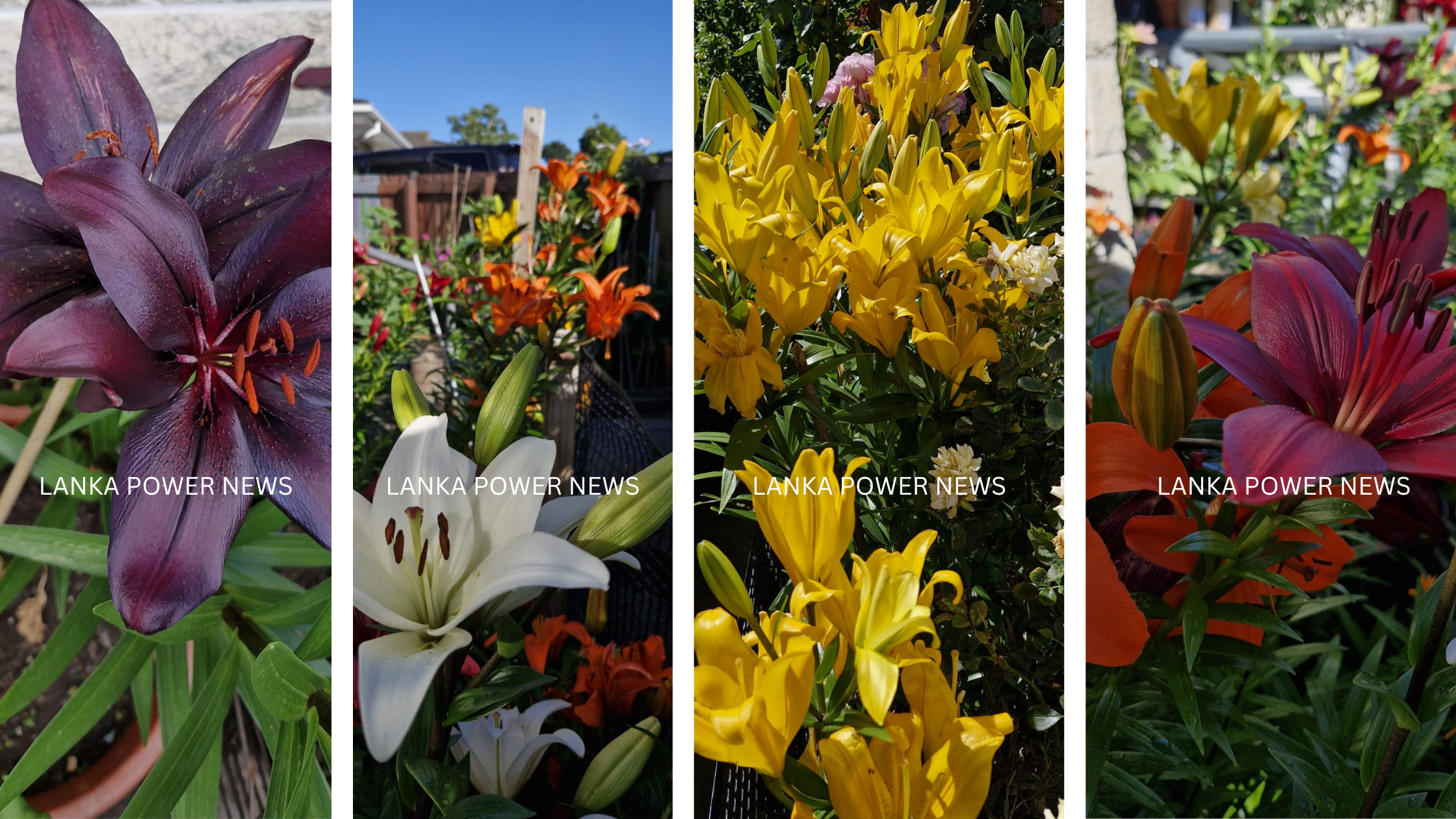
When you start looking at the sheer variety of lilies growing in this part of the world, it is honestly breathtaking. For a great visual example, you should take a look at the file named image_fba238.jpg. It shows a stunning, deep burgundy lily right next to a vibrant cluster of yellow lilies. That image perfectly captures the dramatic color contrasts you can find when exploring these gorgeous plants. Let us dive straight into what makes the lilies of New Zealand so special, starting from our rugged coastlines all the way to our curated botanic gardens.
The Native Star: The Renga Lily
When we study New Zealand flora, we have to look at the native species that evolved perfectly for this specific climate. The true standout here is the Renga Lily, which is scientifically known as Arthropodium cirratum. You might also hear it called the New Zealand rock lily. The traditional Maori name for this plant is Rengarenga.
As someone who studies plant resilience, I find the Renga Lily absolutely fascinating. It is an evergreen perennial that typically grows to a height and width of about sixty centimeters. It features very bold, strap-like green leaves that form dense clumps. From late spring into early summer, it produces the most beautiful spikes of star-shaped white flowers.
What makes it so special is its toughness. The Renga Lily thrives in coastal conditions. It tolerates dry environments and salty sea winds that would easily destroy more delicate plants. If you are planting them in your own garden, they look amazing mixed with ferns and native grasses, but you do have to watch out for slugs and snails because they love to snack on the leaves.
The Colorful Introduced Varieties
While native plants hold a special place in my heart, the introduced lily species have adapted impressively to the local environments across New Zealand. They have become a massive part of local horticulture.
Oriental Lilies
Oriental lilies are the classic, large, star-shaped flowers that most people picture when they think of a lily. They are incredibly famous for their strong fragrance and beautiful soft colors, especially white and pink. In New Zealand, these beauties bloom from mid to late summer. Because of their elegant petals and scent, they are highly popular in florist bouquets.
Asiatic Lilies
If you have a sensitive nose but still want a gorgeous garden, Asiatic lilies are the perfect choice because they generally have little to no scent. They are usually much brighter and bolder than Oriental lilies, coming in vibrant shades of orange, yellow, red, pink, and cream. Botanically, they are the shortest type of lily. They are also some of the earliest to bloom, usually making their appearance in early summer.
Trumpet Lilies
Just as the name suggests, these lilies produce large, trumpet-shaped flowers. They can grow quite tall and release a very intoxicating, aromatic scent. You will find them blooming in mid to late summer in colors ranging from pure white to deep gold, sometimes with a delicate pink or purple hue on the petals.
Dwarf Lilies
For those of us living in student apartments or smaller spaces, dwarf lilies are a lifesaver. They are compact versions of the larger varieties and offer the exact same vibrant colors and enchanting fragrances. They are absolutely perfect for small garden borders or growing in pots on a sunny windowsill.
The Christmas Lily Quirk
One of the most interesting geographic quirks I have learned about New Zealand flora involves the Christmas Lily. The name actually means different things depending on where you live in the country.
In much of the North Island, the Longiflorum lily is known as the Christmas Lily. These have elegant, trumpet-shaped white flowers and a sweet fragrance that fills the air around the festive season. However, if you travel down to parts of the South Island, you will find that locals call the fragrant Rubrum lily the Christmas Lily. This is simply because the Rubrum lily is the one that happens to flower around Christmas time in that specific southern climate. I love how local culture and climate perfectly intersect like that.
Beautiful Imposters
In my botany classes, we spend a lot of time classifying plants, and it is always fun to point out the popular flowers that are not actually true lilies at all.
Calla lilies are incredibly popular for modern floral designs and elegant arrangements because of their sleek, sculptural shape, but they are not true lilies. Similarly, Alstroemeria are commonly called Peruvian lilies. Florists absolutely love them because they are very colorful and long-lasting, adding great texture to mixed bouquets, but again, they do not belong to the true lily family.
How to Grow Lilies in New Zealand
If you want to start your own lily garden, the climate here gives you a great advantage, but there are some specific botanical guidelines you should follow.
Spring is typically the best time to plant your lily bulbs because it allows the roots to establish themselves before the hot weather hits. You need to plant the bulbs three times as deep as the bulb’s own height, and space them about twenty centimeters apart to give them room for optimal growth.
Lilies generally prefer rich, well-drained soil with a good mix of organic material. The soil pH should ideally be slightly acidic to neutral. Watering is a delicate balance. You need to keep the soil consistently moist, especially during the active growth phase, but adequate drainage is absolutely critical. Lily bulbs will quickly rot if they are left sitting in wet, waterlogged soil. Most lilies thrive in full sun, but if you live in a very hot region of New Zealand, providing a bit of afternoon shade can prevent the leaves from burning. Adding a layer of mulch is a great trick to help maintain soil moisture and regulate temperature.
Conservation and the Lily Community
Protecting our botanical heritage is a huge part of studying plant life. Organizations like the Department of Conservation are actively involved in preserving the natural habitats that support native flora, including native lilies. These conservation efforts are incredibly important in areas where agricultural expansion or invasive species threaten the natural ecosystem.
If you are just getting started and want to learn more, I highly recommend looking into the New Zealand Lily Society. They are a fantastic community dedicated to all things related to Lilium blooms. They map out species at the Botanic Gardens, share growing suggestions, and host an Annual Show every January where you can see some truly spectacular flowers on display.
Frequently Asked Questions
Are Calla lilies and Peruvian lilies real lilies?
No, despite their common names, neither Calla lilies nor Peruvian lilies (Alstroemeria) belong to the true lily botanical family.
When is the best time to plant lily bulbs in New Zealand?
Spring is typically the best time to plant lily bulbs in New Zealand. This timing allows the root systems to establish themselves during the milder months.
Why are they called Christmas Lilies?
They are called Christmas Lilies because they typically bloom around the festive season in December. The exact species known as the Christmas Lily changes depending on whether you are in the North Island (Longiflorum) or the South Island (Rubrum).
How much sunlight do Oriental lilies need?
Oriental lilies prefer full sun to partial shade. If you are growing them in a particularly hot region, giving them a little bit of afternoon shade will protect them from burning.
What is the traditional Maori name for the New Zealand rock lily?
The traditional Maori name for the native New Zealand rock lily (Arthropodium cirratum) is Rengarenga.
Shermi Senanayake.
Author
About The Author






👍🏻
thanks