


(Dr. Neil Fernando & Dr Ruwan M Jayatunge)
This is a psychiatric emergency and needs immediate intervention. It has been recognized as a major health problem and a leading cause of death worldwide. It does not occur in a vacuum; it’s a fatal outcry and a highly complex and multifaceted phenomenon.
above image source-https://i0.wp.com/www.lifie.lk/wp-content/uploads/2022/01/004-1.jpg?resize=800%2C500&ssl=1
The Defines of Suicide.
This is the most severe and final manifestation of psychological pain (Rahman et al., 2010). It is a social malady with far-reaching impact. This is defined as an act of intentionally terminating one’s own life (Nock et al., 2008). The National Institute of Mental Health defines this as a death caused by self-directed injurious behavior with intent to die as a result of the behavior. Suicides result from the complex interaction of many factors (O’Connor et al., 2014).
Suicidal behavior has a unique trajectory and the behavior pattern is clearly in the medical domain. Suicidal behavior encompasses a spectrum of behavior from suicide attempt and preparatory behaviors to completed suicide. Suicide behavior disorder (SBD) was introduced in DSM-5 as a disorder for further consideration and potential acceptance into the diagnostic system. Many mental health clinicians recognize suicidal behavior as an independent construct.
According to Emile.
According to the French sociologist Emile Durkheim, the term suicide is applied to all cases of death resulting directly or indirectly from a positive or negative act of the victim himself, which he knows will produce this result. For Emile Durkheim this is not a personal act. He believed that the more socially integrated and connected a person is, the less likely he or she is to commit suicide. Durkheim identifies four different types of these which are egoistic one, altruistic one, anomic one and fatalistic one.
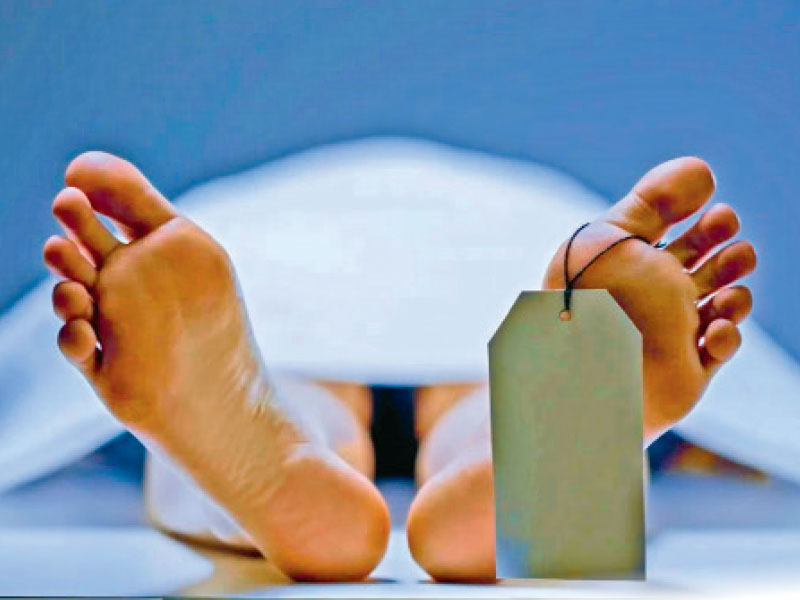
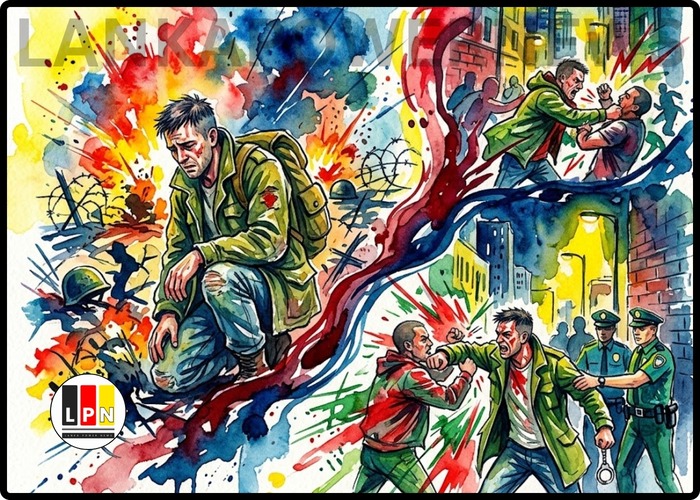
image source-https://mawbima.lk/wp-content/uploads/2022/04/02-9.jpg
Psychodynamics of the pathway to suicide is complex. According to Menninger (1938) it is caused by unconscious drives. Depression, psychic pain, impulsiveness, anger, anxiety, despair, loneliness, panic, violence, revenge, and a host of other factors are acting in a complex and almost infinite combination to produce the catastrophic behavior and it leads to suicide (Gibbons, 2024). Some experts propose the relationship between attachment styles and suicide ideation. Silva Filho and team (2023) highlight that disruptive attachments are related to emotional dysregulation and mental disorders throughout life.
The Suicide Rate in Sri Lanka.
Suicide and suicidal behavior have become a public health concern in Sri Lanka. The incidents rate in Sri Lanka in 2022 was 27 per 100 000 and 5 per 100 000, in males and females, respectively, with an overall suicide rate of 15 per 100 000 populations. However, incidence of the cases are underreported in Sri Lanka due to legal and stigma-associated factors. According to the World Health Organization-based statistics, suicide occurs in approximately 16.7 per 100,000 persons per year and is the 14th-leading cause of death worldwide.
For the development of suicide risk, biological, psychological, social, and environmental factors have been identified (Turecki, et al., 2019). The link between suicide and mental disorders is well established. There is a correlation between suicidality and psychopathology (Gvion &Apter, 2011). Psychopathology, biological vulnerability, family characteristics, and stressful life events play a key role in suicidal behaviors. The most common psychiatric conditions associated with suicide or serious suicide attempts are mood disorders, but personality disorders, alcohol and substance abuse, anxiety disorders, and schizophrenia are also frequently associated with suicidal behavior. (Sher,2004). Other risk factors such as unemployment, marital disruptions and financial crises also play a crucial role.
Suicides have a rippling effect. As described by Pirkis and Nordentoft (2011), media reporting of suicide can influence suicide rates. According to the social learning theory one person's suicide can influence another's suicidal behavior. The aftermath of suicide touches the lives of family and friends of the victim. The ripple effect can impact individuals and their families and friends. The ripple effect can extend to something known as "vicarious suicidality”. The evidence suggests that suicidal behavior is “contagious” (Gould & Lake 2013).
This is preventable and preventing requires strategies at all levels of society with a comprehensive public health approach. Promoting mental health education and de-stigmatisation efforts are highly essential. This prevention is an emotive, complex goal for clinicians and health systems (Larkin et al., 2023).

Clinical suicidology” emphasizing suicide risk assessment, treatment, training, and the management of suicide-related liability. For there to be suicidal behavior there needs to be an established intent to die and a measurable medical lethality associated with the behavior (Silverman,2006). Clinical suicidology identifies suicide an act with a fatal outcome which the deceased, knowing or expecting a potentially fatal outcome, has initiated and carried out with the purpose of bringing about wanted changes (DeLeo et al., 2004).
Conclusion.
Psychotherapeutic, pharmacological, or neuromodulatory treatments of mental disorders can often prevent suicidal behavior (Turecki et al., 2016). antidepressants are widely used in suicide prevention pharmacotherapy. For psychotherapeutic methods mental health clinicians recommend dialectical behavior therapy, cognitive therapy prolonged grief therapy and attachment based family therapy.
Implementing effective public health programs, promote wellness and removing stigma around its related behaviors can reduce the risk of suicide contagion. Furthermore, identifying risk factors and recognizing the warning signs for this can help prevent suicide. Media reporting on suicide can affect suicidal behavior and responsible reporting help prevent the suicide contagion effect. There should be a comprehensive national strategy to prevent this.

(Dr. Neil Fernando is a consultant Psychiatrist and Dr. Ruwan M Jayatunge is a Clinical Psychologist)
Author
About The Author








1 thought on “Suicidal Behavior Disorder..!”